


Beyond the High Opera Stage: A Personal Reflection on Passion, Opera, and Two Romes at the Guildford Institute

Yesterday marked the very first session of our Italian for Opera Lovers course in the Westwood Room at the Guildford Institute! Our brilliant group arrived with a shared love for opera—ranging from complete beginners in the Italian language to enthusiastic opera aficionados.
While almost everyone was familiar with Puccini's Tosca, works like Mascagni’s Cavalleria Rusticana were less familiar, and the iconic musical Rugantino was a complete revelation for the room. This set up our central unifying thread for the session: Do strong passions live only in the hearts of educated people? Absolutely not.
Designing this session was a deeply personal journey for me. I moved to Rome as a young child and lived there until 1988, when I left for London to work as a teacher. The Rome I grew up in and experienced during my university years at La Sapienza, where I graduated in Philosophy, was the refined, elegant city—the world of Via Condotti, sweeping plazas, and quiet afternoons in Villa Borghese. Trastevere, by contrast, was a place I was taught to approach with caution. From my teenage years in the late 1970s, a "sacred wariness" was instilled in me about Trastevere—it was viewed as colorful, yes, but unpredictable and dangerous.
Because of this, I never truly experienced the authentic, gritty Roman spirit during my years living there. Choosing the materials for this first session was my personal tribute to a Rome I misunderstood and haven't visited in nearly 50 years.
Here is how we explored that spirit and theme across two distinct regions:
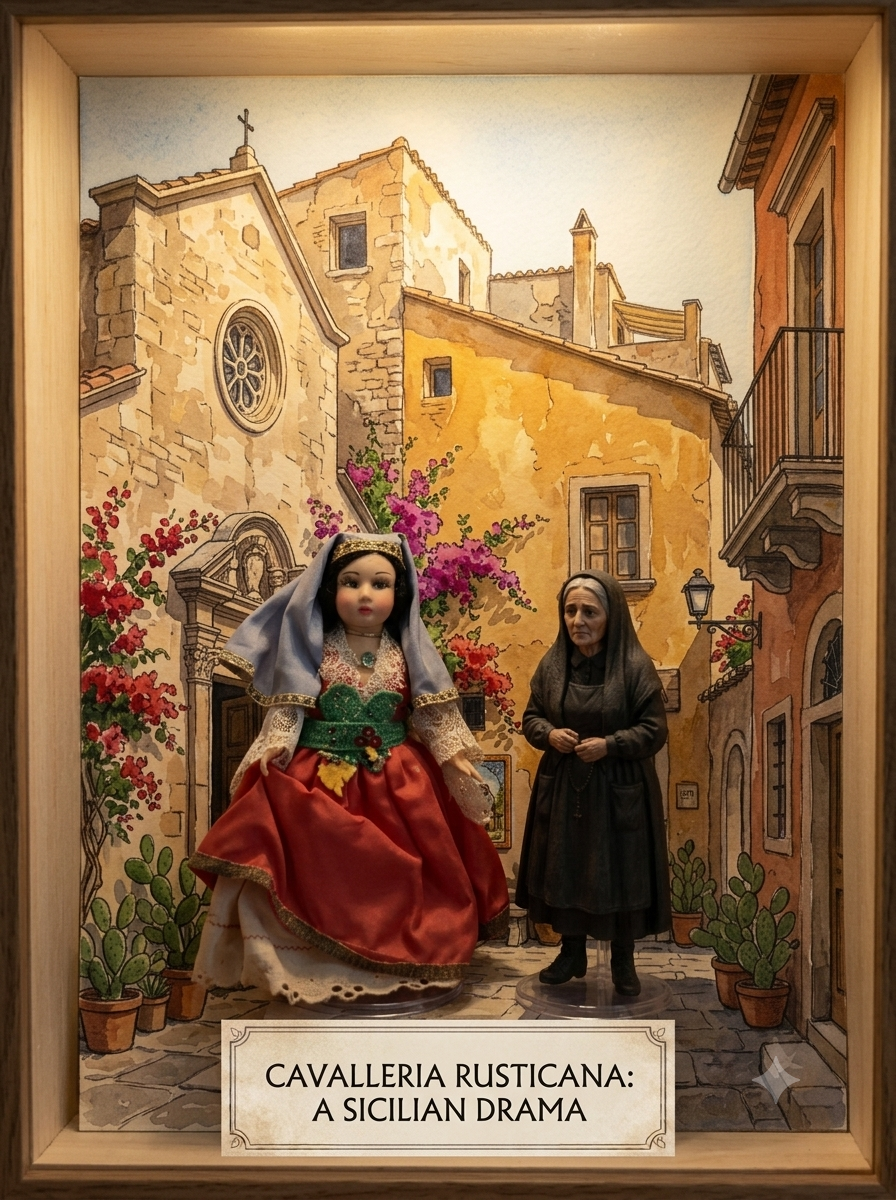
Part 1: Sicilian Verismo & Raw Emotion: We began our journey down south with Mascagni’s Cavalleria Rusticana. To understand the deep, unvarnished emotions of its working-class characters, we turned to Giovanni Verga’s verismo literature, encouraging everyone to explore I Malavoglia. We reflected on Verga’s ideale dell’ostrica (the 'oyster idea') the fierce resilience and stubborn tenacity of humbler lives clinging to their roots in a fatalistic world.
Part 2: A Tale of Two Romes: From Sicily, we traveled to Rome to contrast two very different faces of the city: the aristocratic, majestic Rom
e of Puccini’s Tosca and the popular, working-class pulse of Trastevere in Rugantino. Through dialect songs like Ciumachella and Roma nun fa la stupida stasera, we unpicked Romanesco vocabulary and explored the traditional strambotto poetic structure. We also read Trilussa’s dialect poem La tartaruga, reflecting on the Roman spirit of taking bold risks just to catch a glimpse of something grand ("ma prima de morì, vedo le stelle").
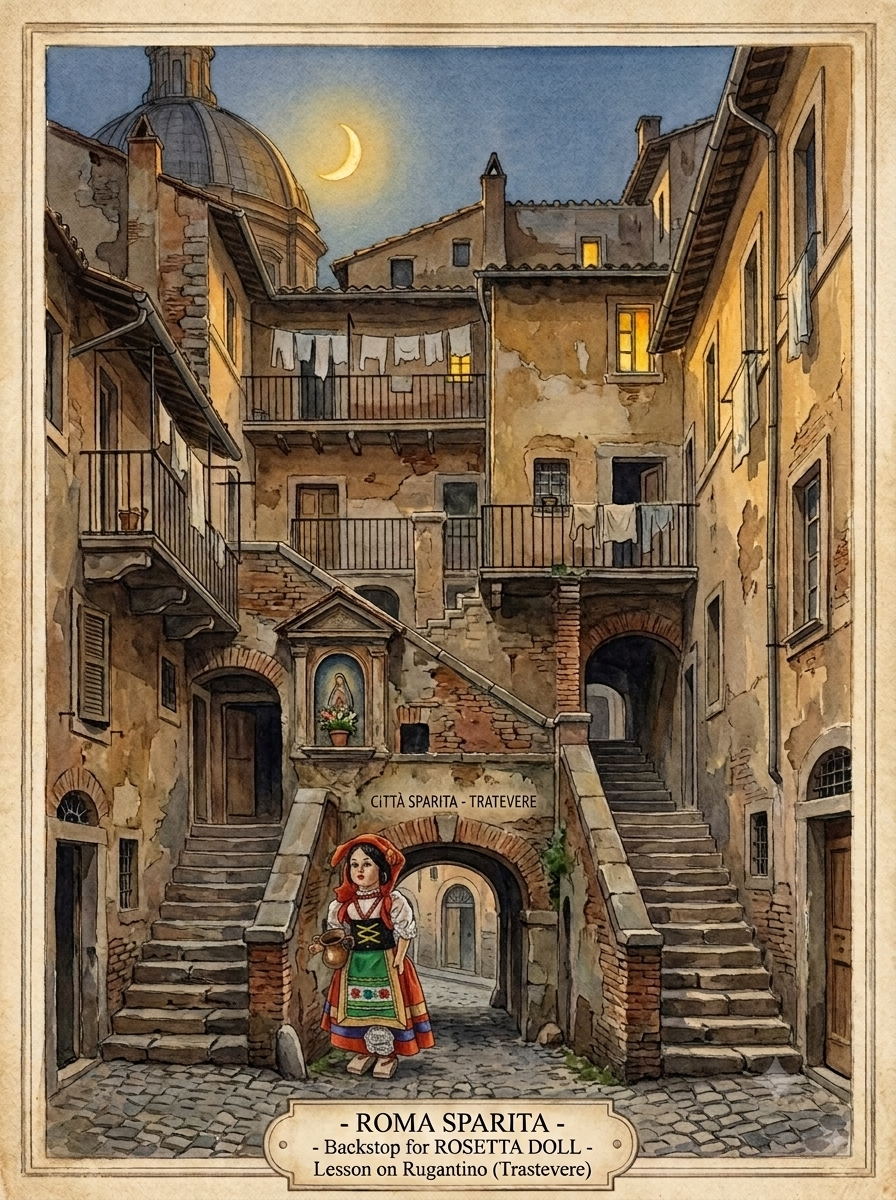
From Sicilian verismo to Puccini's grand tragedy and the folk heart of Roman musical theater, the afternoon proved that raw human emotion, poetry, and dramatic tension belong to everyone—no matter which side of the river you come from. Thank you to everyone who joined us in the Westwood Room!
Ready for our next musical journey?
Click here to book your spot for Session 2 on the Guildford Institute website and join us as we dive deeper into the language, drama, and passion of Italian opera.


Comments